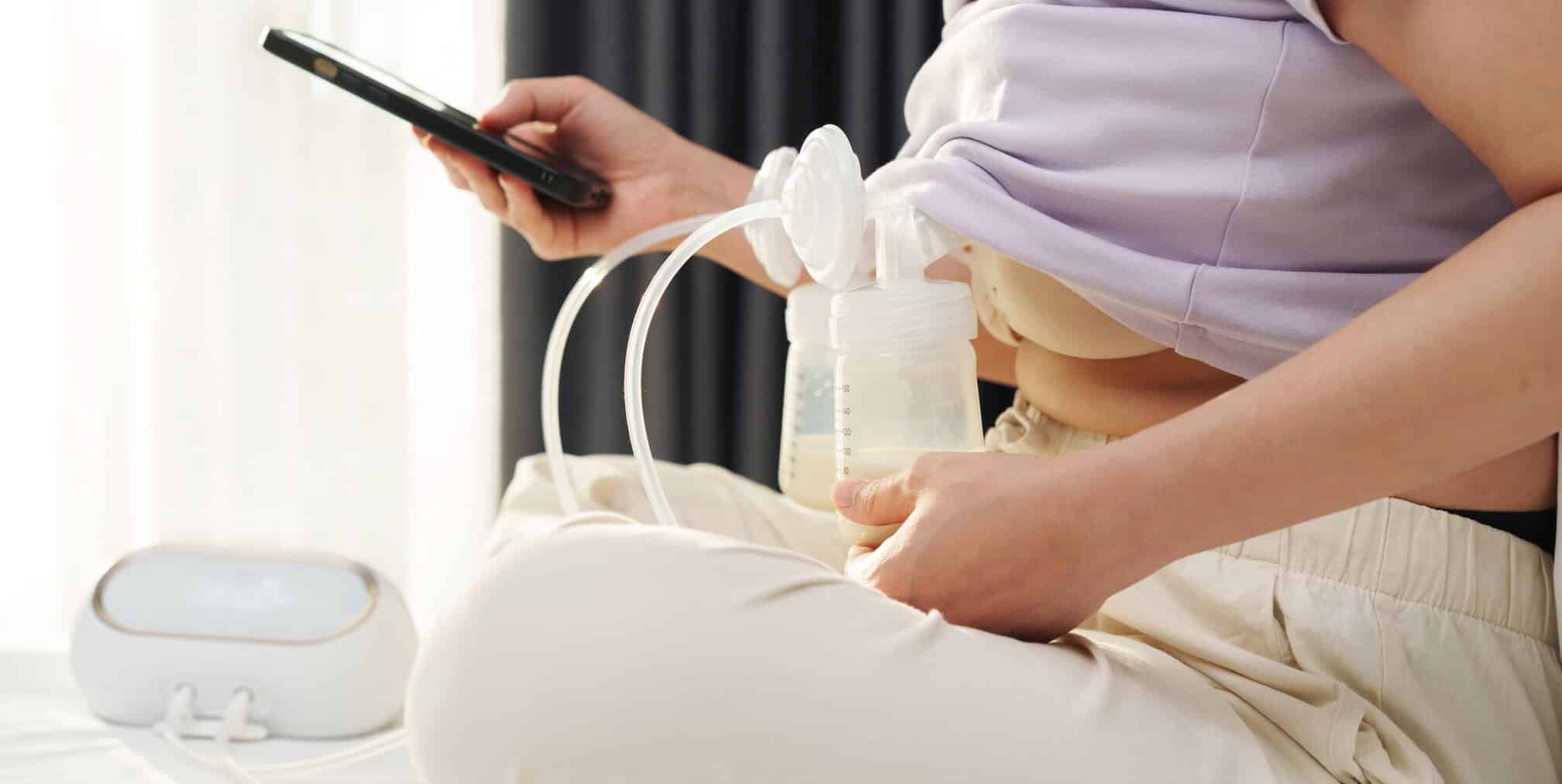
For years, many of us were taught that a hard, painful lump in the breast was a clogged duct caused by solidified milk. However, current research suggests that what we often feel is actually a localized inflammatory response. When breast tissue becomes irritated whether from external pressure or infrequent emptying it swells with lymphatic fluid and inflammatory markers. This swelling creates internal pressure, which is why aggressive massage often makes the situation worse rather than better. By treating this as inflammation, we can use much gentler, more effective techniques to find relief.
Why Do These Lumps Form?
Breast inflammation is rarely caused by just one thing. Often, it begins with milk stasis, where the breast is not fully drained due to an irregular feeding schedule, a fussy baby, or a poor latch. But environmental factors are just as significant. Wearing tight clothing, bras with stiff underwires, or carrying heavy straps across the chest can physically compress the ducts, triggering a inflammatory reaction. Even using an incorrectly sized breast pump flange can cause micro-trauma, leading to the swelling that feels like a physical blockage.
Before You Treat: Check for Blebs
If you find a painful area, take a moment to look at your nipple. If you see a tiny, stubborn white or yellow dot, you are likely dealing with a milk bleb. This is a skin or milk-based plug sitting right at the ductal exit. A bleb acts like a dam, preventing milk from flowing freely. It requires specific care usually softening with warm compresses and a bit of olive oil to open the duct before the deeper inflammation can subside. Once that exit is clear, you can focus on the rest of the breast.
Gentle Drainage with the Warm Water Method
Skip the heavy hand and try a soak instead. Filling a cup with warm water and leaning forward to submerge the nipple and areola than sitting up and applying gentle pressure, provides a consistent, soothing treatment. This helps relax the surrounding tissue without the risk of bruising. While submerged, apply light pressure to the hardened area. You are looking for a cloudy spray, which signals that fluid is moving. Keep a towel handy, and try this technique a few times a day, particularly right before a feeding session or when you plan to pump.
Cooling Down the Inflammation
Because the core issue is swelling, cooling the tissue is more effective than applying heat. Cold therapy helps draw out the inflammatory fluid and reduces pain. Many find relief using frozen breast pads, chilled diapers, or clean cabbage leaves (with the ribs removed). Tuck the cabbage into your bra and change it once it wilts or reaches room temperature. Aiming for 20-minute sessions three times a day, paired with an over-the-counter anti-inflammatory like ibuprofen, can significantly reduce the pressure inside the breast.
Manual Support Techniques
To make nursing or pumping easier, use reverse pressure softening. This involves using your fingertips to gently push the swelling away from the base of the nipple, which makes it easier for your baby to latch. If you want to assist the process, use a cat-petting stroke a very light, rhythmic touch starting at the nipple and moving toward the armpit. This encourages lymphatic drainage. Remember: never dig into the breast with deep massage, as this can irritate the tissue further and increase the inflammatory load.
The Power of the Microbiome
Recovery isn’t just about what you do on the outside; it’s about supporting your internal ecosystem. Research into the mammary microbiome indicates that certain probiotics can help keep breast tissue healthy and resilient. Using supplements containing specific strains like Ligilactobacillus salivarius or Limosilactobacillus fermentum can be a great way to support your body’s natural defenses and potentially reduce the frequency of future inflammation.
When to Contact Your Doctor
Most inflammation clears up within 48 hours with steady, gentle care. However, if you develop a fever, chills, or systemic flu-like symptoms, it is time to call your family physician; these are signs that you may need antibiotics for mastitis. Additionally, if the lump does not show signs of improvement after a few days, a professional ultrasound can help rule out more serious concerns and ensure you get the right plan of care.